How to Color-Block Activewear Without It Looking Busy
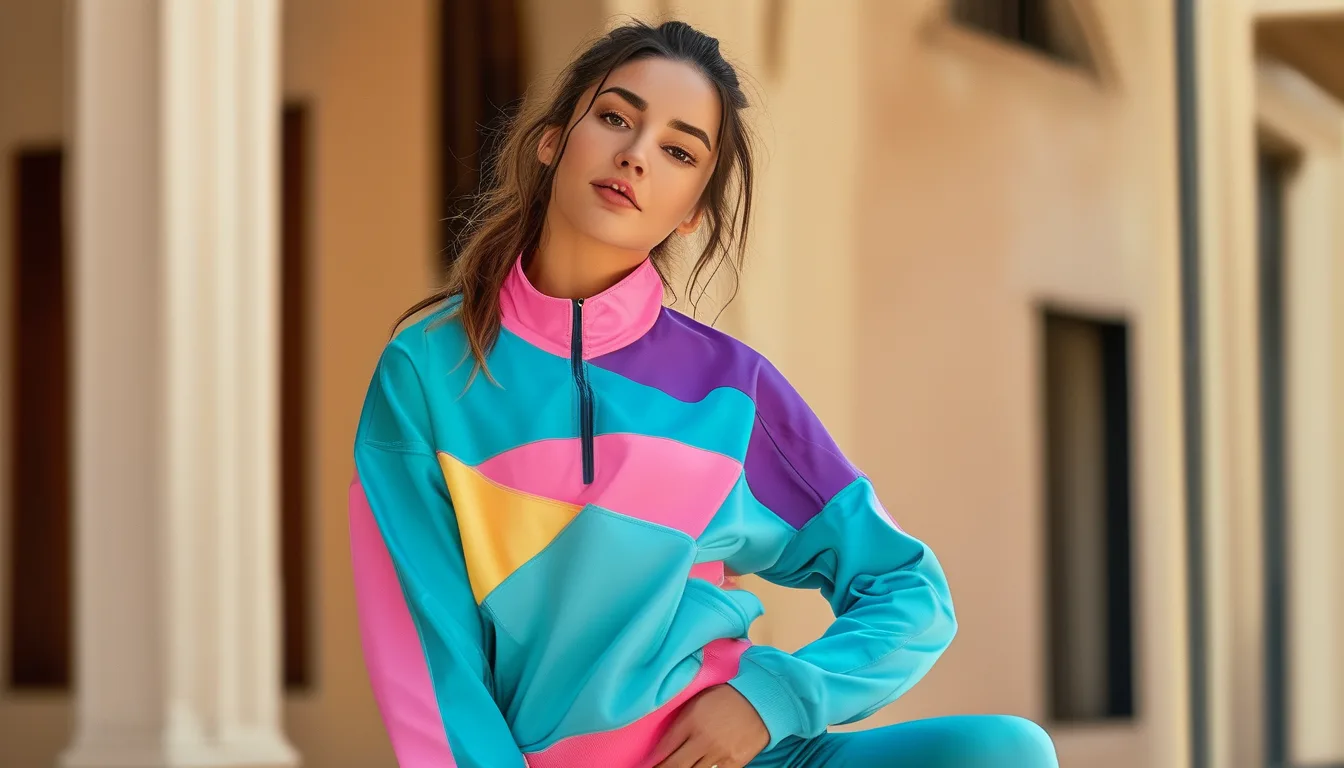
Quick Answer: Stick to 2 colors, not 3+, and choose either analogous tones (next to each other on the color wheel) or true complements (opposite each other) — never two random brights with no relationship.
Color blocking sounds simple until you try it and end up looking like you got dressed in the dark from three different outfits. The rule almost nobody explains: it’s not about how many colors you own, it’s about the relationship between exactly two of them.
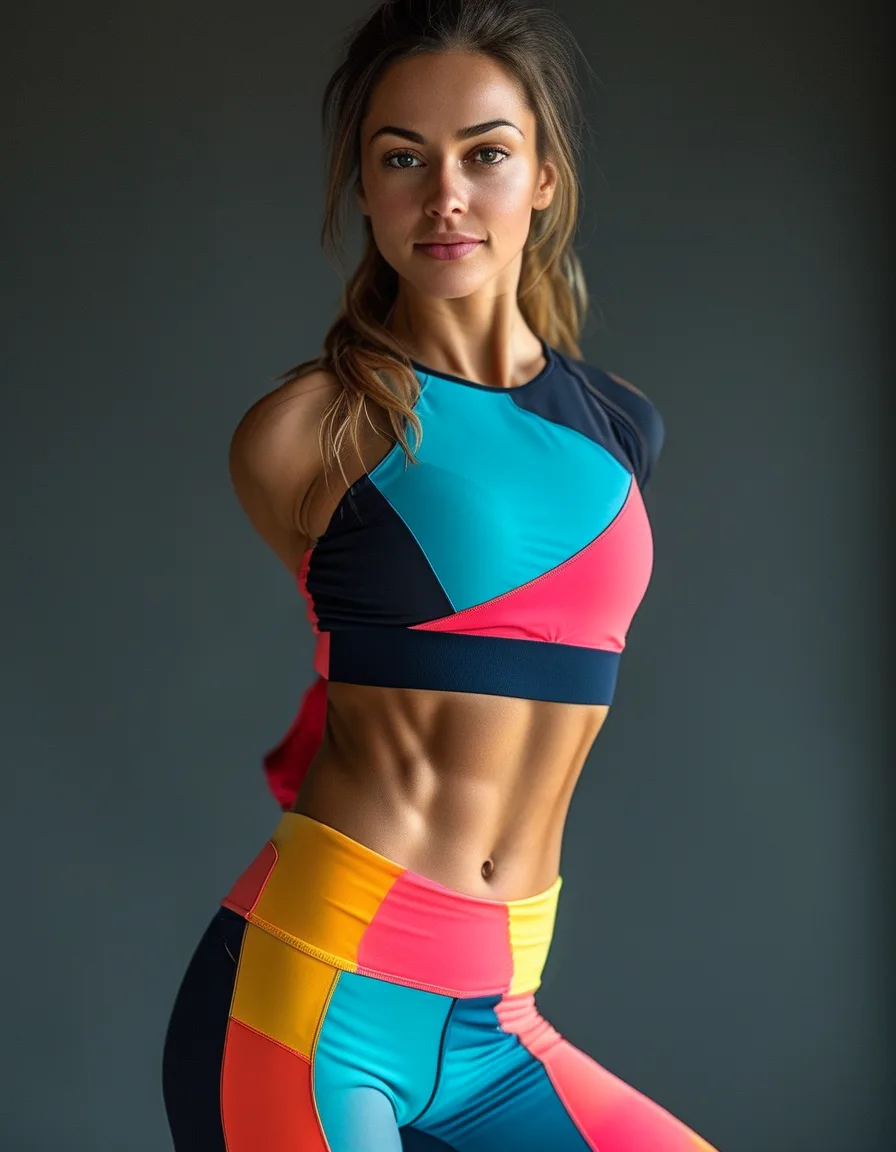
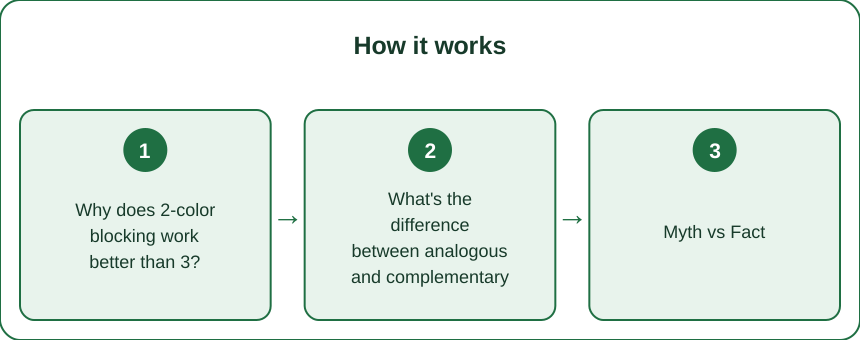
Why does 2-color blocking work better than 3?
Your eye can track two color zones cleanly; a third splits focus and reads as clutter, even if each individual color looks great alone. This is the single most common color-blocking mistake — throwing in one more “fun” piece that undoes the whole balance.
Two colors, split roughly top and bottom (or top/bottom/one accent shoe), is the formula that shows up again and again in outfits that actually look intentional.
What’s the difference between analogous and complementary color blocking?
Analogous = colors next to each other on the wheel (teal + navy, coral + pink). These read as sophisticated and calm — a safer starting point if you’re new to color blocking.
Complementary = colors opposite each other (orange + blue, purple + yellow). These read as bold and high-energy — better for a statement look, but harder to get the ratio right on your first try.
Myth vs Fact: Color Blocking Edition
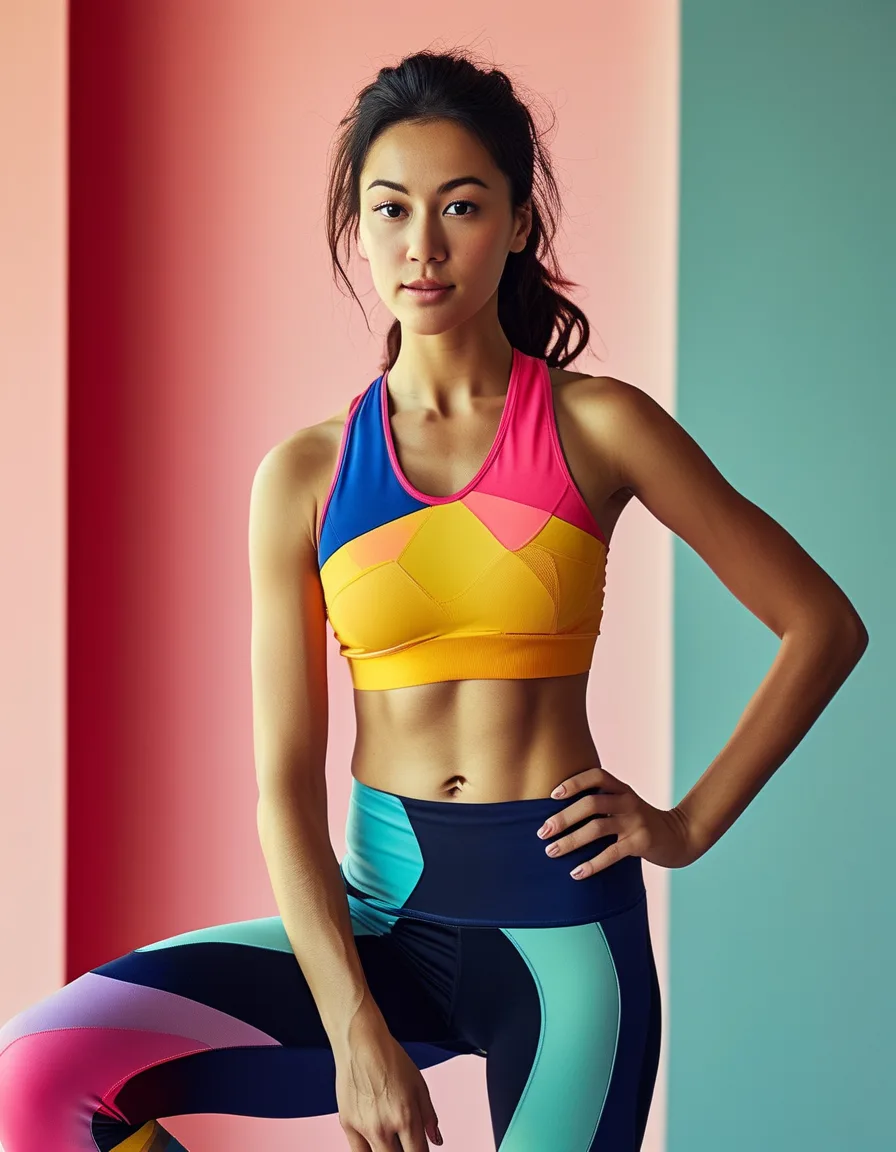
Myth: Color blocking means top is one color, bottom is a totally different one, full stop. Fact: The strongest color-blocked looks usually still share a linking element — matching shoes to one of the two colors, for example — so the eye has a bridge between zones.
Myth: Prints and color blocking don’t mix. Fact: A small printed accent (a patterned headband or sock) can work as your linking element, as long as the print pulls from your existing 2-color palette rather than introducing new colors.
Myth: Color blocking only works with bold, saturated colors. Fact: Muted color blocking (sage + terracotta, dusty blue + blush) works just as well and reads more everyday-wearable than neon combos.
How do you pick a palette if you’re starting from scratch?
Start with one color you already own the most activewear in — that’s your anchor. Then pick either its analogous neighbor or its true complement, and build the new piece around that pairing.
This approach means you’re not buying a whole new wardrobe — usually 1-2 new pieces make your existing collection color-blockable, since most closets already lean toward 2-3 dominant tones without realizing it.
FAQ: Color-Blocking Activewear Questions, Answered
What colors should never be blocked together?
There’s no hard rule against any pairing, but colors with no relationship on the wheel and no shared undertone (say, a warm orange with a cool true-blue) tend to look accidental rather than intentional without a linking piece.
Does color blocking work for all body types?
Yes — the visual weight of the split can be used strategically (a lighter top with a darker bottom, for example, tends to be a flattering default for most people), but the technique itself isn’t body-type restricted.
Can shoes count as the second color in a block?
Absolutely, and it’s often the easiest entry point — a neutral top and bottom with one bold shoe color is color blocking on training wheels.
TL;DR:
- Two colors, not three — a third color splits focus and reads as busy
- Analogous pairs (next to each other) read calm; complementary pairs (opposite) read bold
- Add a linking element (matching shoes) so the two zones feel connected
- Start from a color you already own the most of, then add one analogous or complementary piece
Color blocking isn’t about owning more colors — it’s about picking exactly two that have a real relationship.
Keep Reading
This article is for general informational and styling purposes only. Fit, sizing, and product availability may vary.