The Easiest Way Into Color Blocking: Start With One Color, Not Three

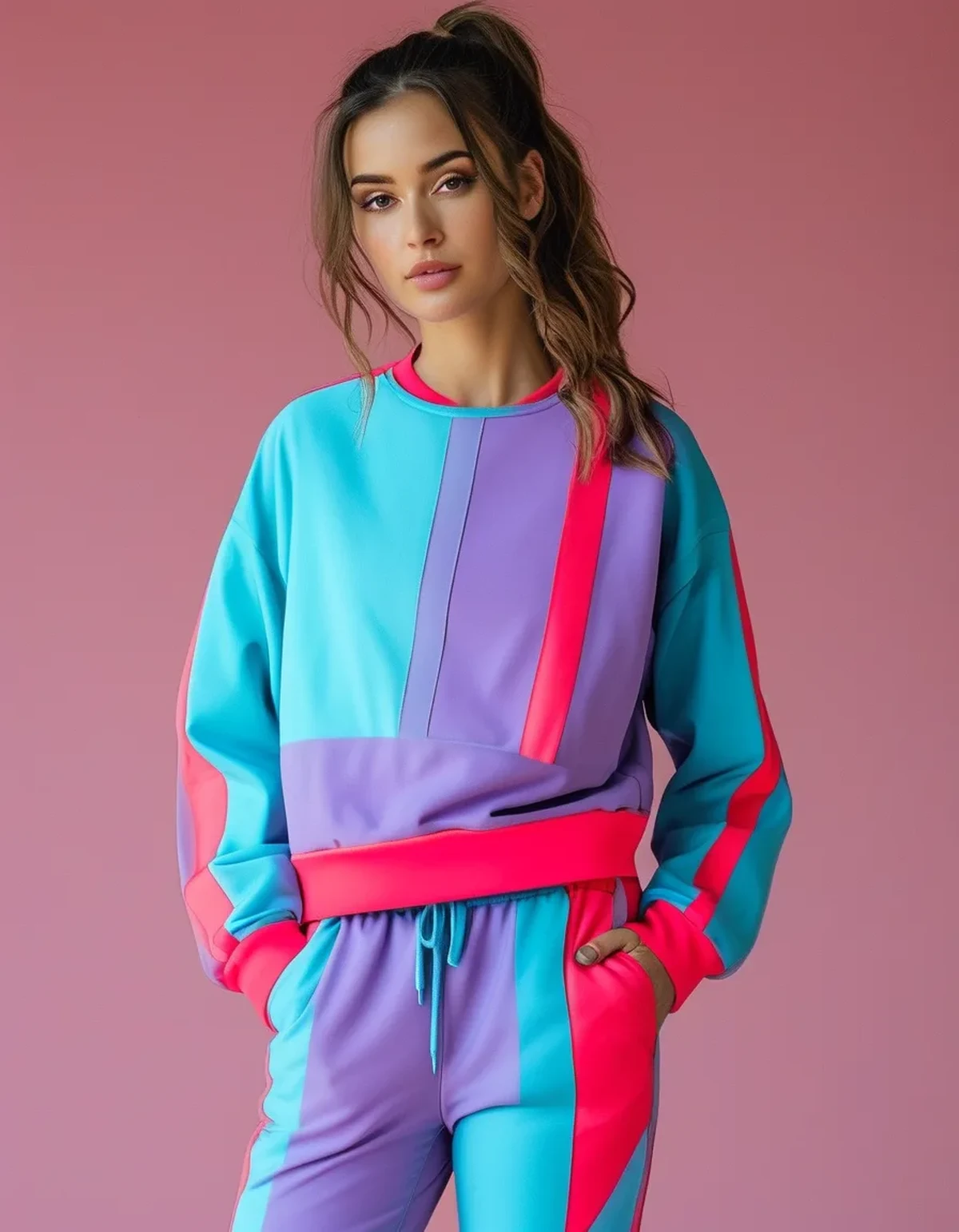
Quick Answer: Tonal color blocking — pairing two or three shades of the same color family (like a deep and light sage, or navy and periwinkle) — gives you the visual structure of color blocking with far less risk than jumping straight into contrasting bold colors.
Color blocking guides usually start with the boldest version of the technique, which is exactly why a lot of people never try it — starting tonal is a much easier on-ramp.
What actually makes tonal color blocking easier than the classic bold version?
Because the shades share the same color family, there’s no risk of the jarring contrast that makes bold color blocking feel intimidating — you get the same structured, intentional silhouette effect without needing to make a bold color-pairing decision, which is usually the part that stops beginners.
How do you choose shades that actually work together tonally?
Pick a base color, then choose one shade two to three steps lighter and one two to three steps darker within that same family — a mid-tone olive with a pale sage top and a deep forest bottom, for example, keeps the cohesion while still creating visible blocking between pieces.

Where should the darker shade go for the most flattering effect?
As a general styling principle, the darker tonal shade on the bottom half creates a grounding effect, while the lighter shade on top draws the eye upward — though this isn’t a strict rule, and reversing it (dark top, light bottom) is a valid personal-preference choice too.
Once tonal feels comfortable, how do you progress to classic bold color blocking?
The transition is easier than starting cold — begin by swapping just one tonal piece for a genuinely contrasting color while keeping the rest of the tonal palette, which introduces bold contrast gradually rather than all at once.
FAQ: Tonal Color Blocking Questions, Answered
Does tonal color blocking work for every color family?
Yes — it works with any color that has enough tonal range to create visible contrast between shades; very narrow color families (where light and dark versions look too similar) work less well.
Is tonal color blocking considered ‘less’ color blocking than the bold version?
No — it’s the same underlying technique (deliberate color-based visual division of an outfit), just with a narrower color range, which makes it a legitimate style choice rather than a lesser version.
What accessories work best with a tonal color-blocked outfit?
Neutral accessories (white, black, or a metallic) tend to work best, since they don’t compete with the tonal palette or introduce a fourth color that could disrupt the cohesive effect.
TL;DR:
- Tonal color blocking uses shades of the same color family for lower-risk visual structure
- Choose a lighter and darker shade within one color family rather than jumping to contrasting colors
- Darker on bottom, lighter on top is a flattering default, not a strict rule
- Tonal blocking is a natural stepping stone toward bold, multi-color blocking later
Try a two-shade tonal outfit in a color you already own multiple pieces of — it’s likely a combination sitting in your closet right now.
Keep Reading
This article is for general informational and styling purposes only. Fit, sizing, and product availability may vary.