Does Vertical or Horizontal Color Blocking Actually Change How an Outfit Looks on Your Body?
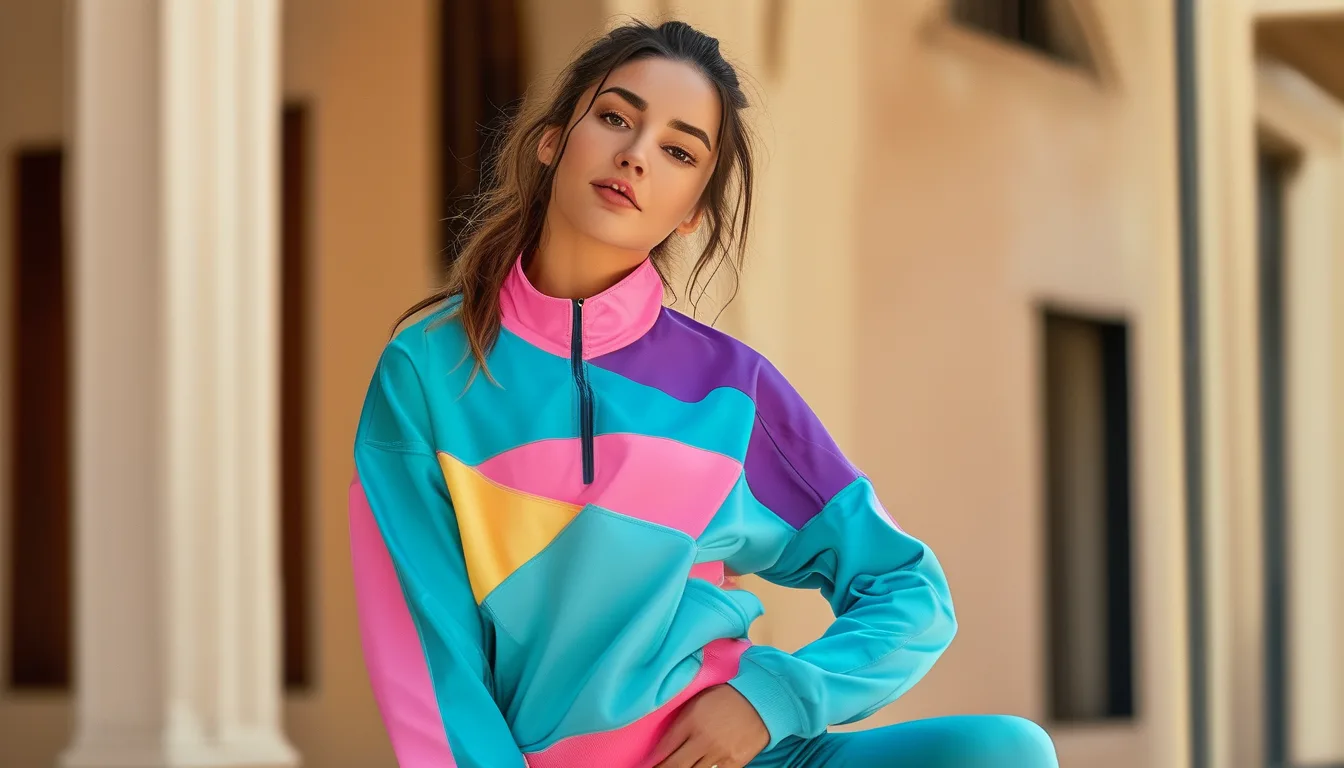
Quick Answer: Vertical color blocking (a seam or color change running top to bottom) tends to create a lengthening, streamlined visual effect, while horizontal color blocking (a color change running across the body, like a contrasting waistband) tends to draw the eye across and can visually shorten or emphasize width at that specific point — neither is universally better, but knowing the direction’s effect helps you choose intentionally rather than by accident.
Color blocking direction isn’t just an aesthetic detail — it’s one of the more reliable visual tools for subtly shaping how proportions read in a single outfit.
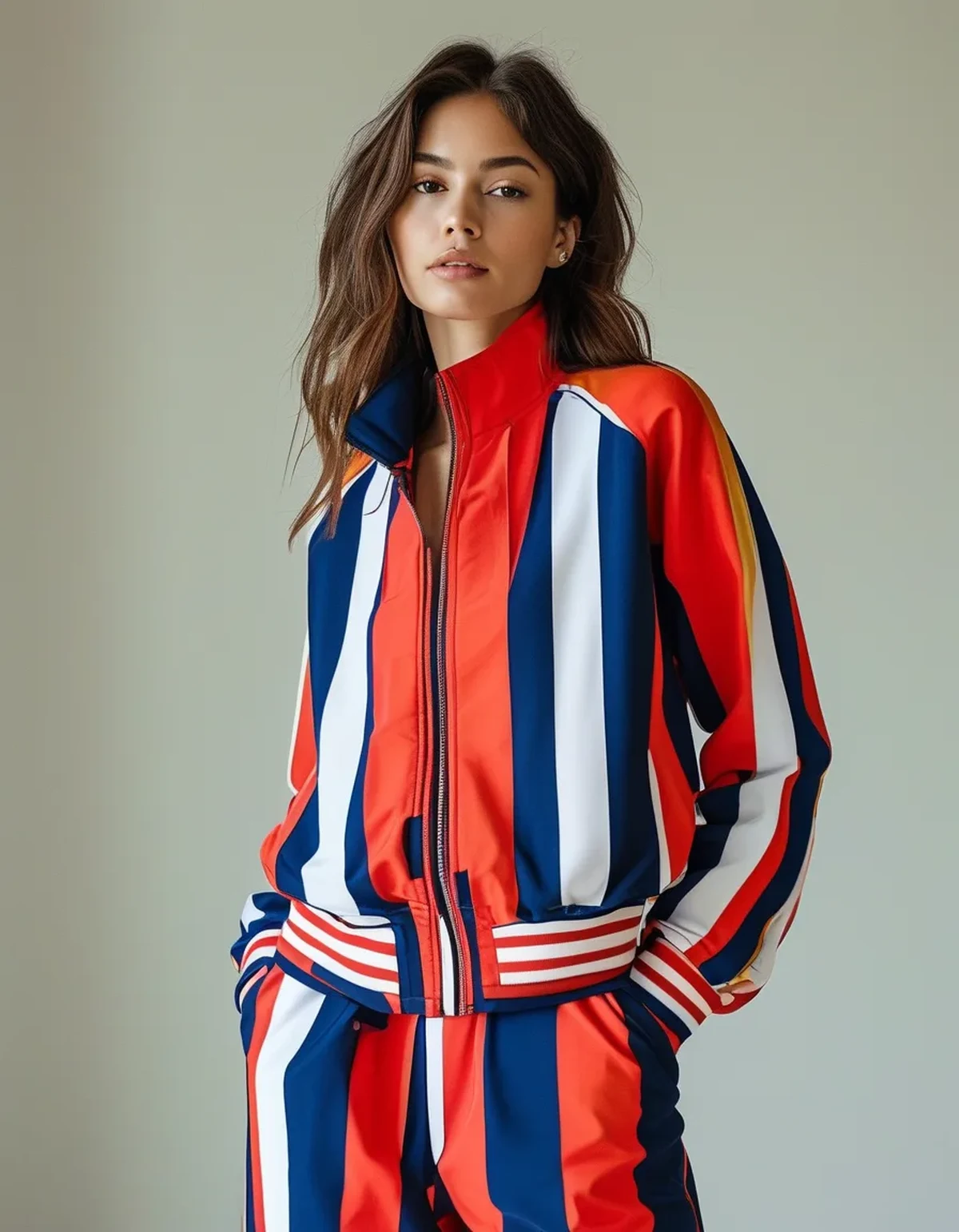
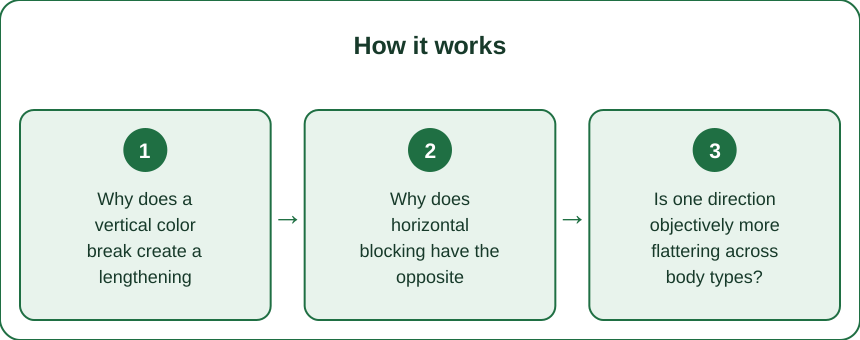
Why does a vertical color break create a lengthening effect?
The eye naturally follows a vertical line from top to bottom, and that continuous visual path reads as elongating, which is the same underlying principle behind vertical stripes in classic styling advice, just applied through color blocking instead of a printed pattern.
Why does horizontal blocking have the opposite tendency?
A horizontal color break, particularly at the waist or hip, draws the eye side to side at that specific point, which can add visual width or emphasis there — sometimes a desirable effect (like emphasizing a defined waist) and sometimes not, depending on the intended focus.
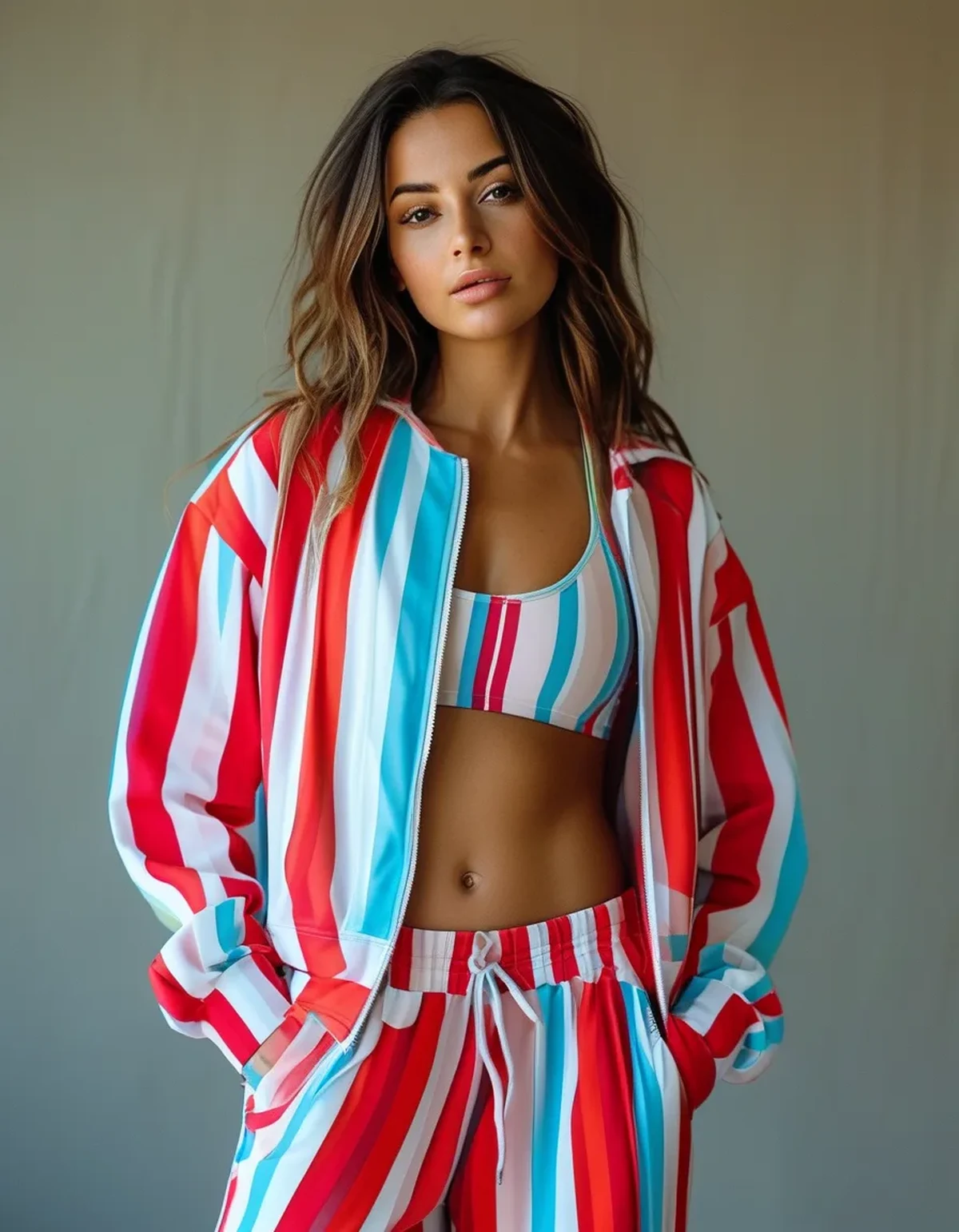
Is one direction objectively more flattering across body types?
Neither is universally more flattering — it depends entirely on what effect is actually wanted, since horizontal blocking at the waist can genuinely enhance a defined waistline for some body types, while vertical blocking suits anyone wanting an overall lengthening effect regardless of body type.
5 Looks to Try With Color Blocking Direction
1. A vertical color-blocked legging with a solid top for a fully lengthened silhouette. 2. A horizontal waistband contrast on leggings to emphasize waist definition. 3. Diagonal color blocking (a hybrid) for a more dynamic, less predictable visual line. 4. Vertical blocking on a jacket, worn open, to lengthen the torso. 5. Horizontal blocking only at the hem for a subtle accent without full commitment.
FAQ: Color Blocking Direction, Answered
Does diagonal color blocking behave more like vertical or horizontal?
Diagonal color blocking tends to borrow some of the lengthening effect of vertical lines while adding more visual movement and dynamism than either pure direction alone.
Can combining both directions in one outfit work, or does it look too busy?
Combining both can work if one direction is clearly dominant (most of the outfit vertical, with one small horizontal accent) rather than splitting the visual weight evenly between the two.
Does fabric texture change how noticeable the direction effect is?
Yes, matte fabrics tend to show the color-blocking line more clearly than shiny or textured fabrics, which can slightly soften or blur the directional effect depending on lighting.
TL;DR:
- Vertical color blocking tends to create a lengthening, streamlined visual effect
- Horizontal color blocking draws the eye across, which can emphasize width or definition at that point
- Neither direction is universally more flattering — it depends on the effect you actually want
- Combining both works best when one direction clearly leads and the other stays a small accent
Color blocking direction is a small design choice with an outsized visual effect — worth choosing on purpose rather than picking based on which piece happened to be in stock.
See It in Motion
Seen here: Super High Waist Embossed Yoga Leggings with Inner Pocket — shop it on bubblelime.com
Keep Reading
This article is for general informational and styling purposes only. Fit, sizing, and product availability may vary.